Prostate Cancer Diagnosis & Treatment in Conroe & The Woodlands, TX
Finding prostate cancer early gives you the most options. Dr. W. Cooper Buschemeyer III, a urologic surgeon with a special interest in urologic oncology, can diagnose it and guide your treatment.
What is prostate cancer?
The prostate is a small, walnut-shaped gland in men that produces semen. Prostate cancer starts in that gland and is one of the most common cancers in men.
Many prostate cancers grow slowly, but untreated cancer can cause serious problems and may spread to other parts of the body. Finding it early and acting promptly is the best approach.
Symptoms of prostate cancer
In the early stages, prostate cancer often causes no symptoms at all, which is why screening matters. As the disease progresses, you may notice:
- A weak urine stream
- Trouble urinating
- Blood in your urine
- Blood in your semen
- Erectile dysfunction
- Urinary incontinence
- Bone pain
- Unintentional weight loss
Risk factors and lowering your risk
Some things raise the chance of developing prostate cancer:
- Being over 50
- Being African American
- Being obese
- Having a family history of prostate cancer
A nutritious diet, regular exercise and a healthy weight can help lower your risk. If you have any of the risk factors above, ask Dr. Buschemeyer about screening.
How prostate cancer is diagnosed
To find out whether you have prostate cancer and how advanced it is, Dr. Buschemeyer may use several tools.
- Conversation and exam. He reviews your symptoms and medical history and performs a physical exam, including a digital rectal exam.
- Tests and imaging. Depending on your situation, you may have blood tests, an ultrasound, a bone scan, a CT scan, an MRI or other imaging.
- Biopsy. A small tissue sample from the prostate is usually taken and sent to a lab for analysis.
Prostate cancer treatment options
The right treatment depends on how advanced the cancer is and on your overall health. Options may include:
Watchful waiting
Many early prostate cancers grow slowly and pose no immediate threat, so they can be watched closely over time.
Hormone therapy
Blocks the body’s testosterone production to destroy cancer cells.
Cryoablation
Freezing prostate tissue to kill cancer cells.
Ultrasound ablation
Focused ultrasound energy heats prostate tissue to destroy cancer.
Targeted drug therapy
Medications aimed at prostate cancer cells.
Immunotherapy
Uses your own immune system to fight the cancer.
Chemotherapy
Medication that kills rapidly growing cancer cells, given by vein or as a pill.
Radiation therapy
Focused, high-powered energy to destroy cancer cells.
Surgery
Removal of the prostate gland and surrounding tissue, and lymph nodes in some cases, to keep the cancer from spreading. Dr. Buschemeyer has performed hundreds of robotic surgical procedures.
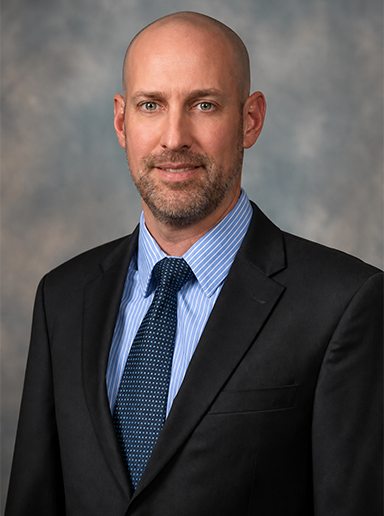
Your prostate cancer specialist
W. Cooper Buschemeyer III, M.D., is a board-certified urologic surgeon with a private practice serving Conroe and The Woodlands, TX. He completed his residency and fellowship in urologic surgery at Duke University Medical Center, where he served as Chief Resident, and is an Associate Fellow of the American College of Surgeons.
Prostate cancer questions, answered
Does prostate cancer always cause symptoms?
No. Early prostate cancer usually causes no symptoms, which is why screening and talking to a urologist about your risk are important.
Does every prostate cancer need treatment right away?
Not always. Many prostate cancers grow slowly, and in the early stages Dr. Buschemeyer may recommend watchful waiting instead of immediate treatment.
How is prostate cancer diagnosed?
Diagnosis usually involves an exam, blood tests, imaging and a prostate biopsy, where a small tissue sample is examined in a lab.
Is an enlarged prostate the same as prostate cancer?
No. An enlarged prostate (BPH) is a common, non-cancerous condition. Its symptoms can overlap with prostate cancer, so it is worth getting checked.
Don’t wait to get checked
If you are at risk for prostate cancer or have urinary symptoms, call Dr. Buschemeyer’s office or request an appointment online.
This page is for general information and is not a substitute for medical advice. Individual results vary. Please do not submit protected health information through our website.